A home emergency kit does not need to fill an entire closet or cost a lot of money. The goal is to keep the essentials together so you can respond calmly to a short power outage, a severe storm, a water interruption, or another unexpected disruption.
This guide explains how to build a home emergency kit for the first few hours and days, how to store it, and how to adjust it for the people and pets in your household.
Choose a Practical Storage Spot
Use a sturdy plastic bin, backpack, or lidded container that everyone can reach. Store it in a dry place near an exit, but do not block a doorway or keep it where a leak could damage the contents.
Label the container clearly. If your home has more than one floor, keep a small flashlight and basic supplies on each level instead of relying on one large box.
Add Water and Simple Food
Keep bottled water for drinking and cooking. A common planning point is at least one gallon per person per day, but the amount you can store depends on your space and local conditions. Replace stored water according to the date on the container or your local guidance.
Choose foods that need little or no cooking, such as canned meals, energy bars, crackers, dried fruit, peanut butter, and shelf-stable milk. Include a manual can opener. Check the dates twice a year and use older items in regular meals before replacing them.
Prepare for Darkness and Power Loss
Place a flashlight or headlamp in the kit, along with spare batteries that match the devices. A battery radio can provide updates when phone service or internet access is unreliable. A charged power bank is also useful, but keep its cable with the kit and recharge it during your regular household routine.
Avoid using candles as your main source of light, especially around children, pets, curtains, and bedding. A flashlight is easier to control and creates less fire risk.
Include First Aid and Personal Needs
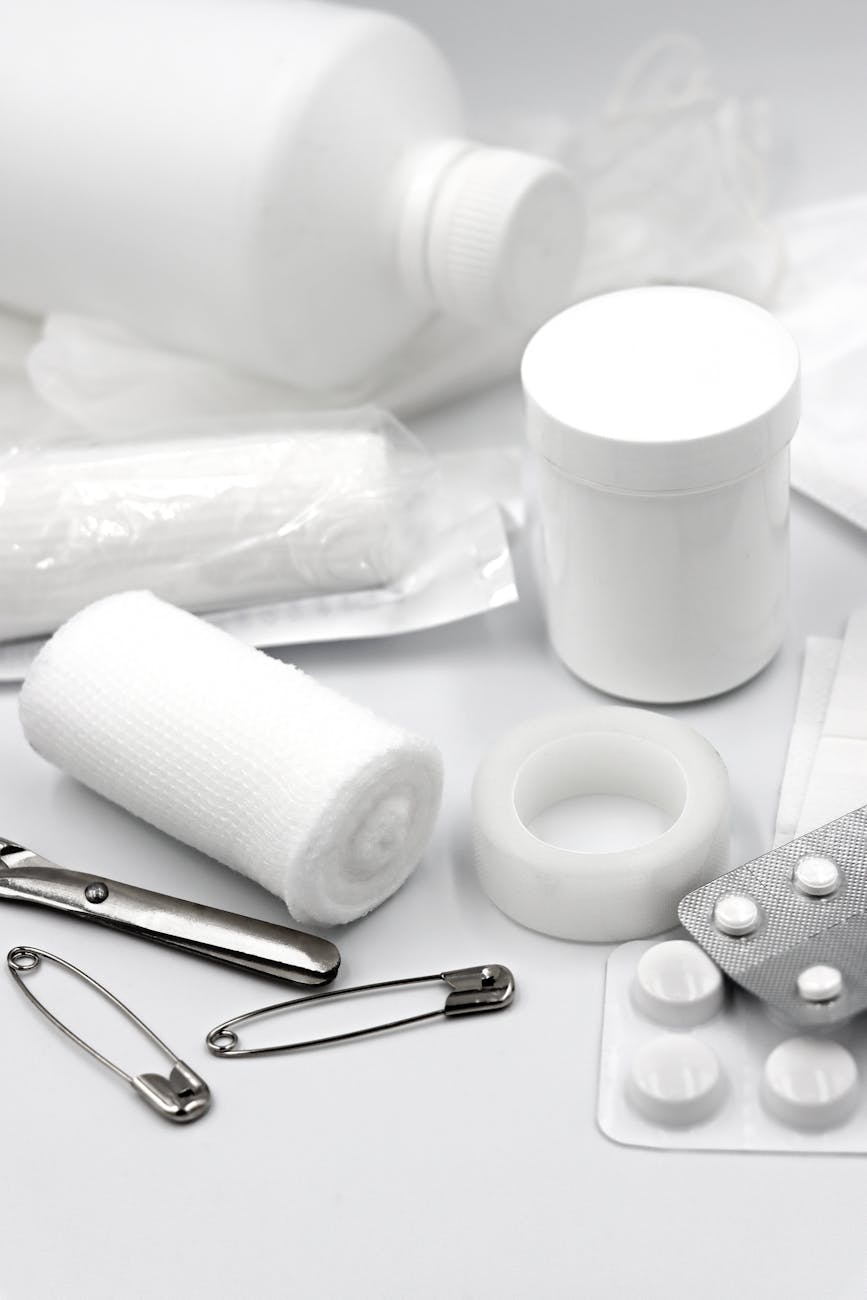
A basic first aid kit should contain adhesive bandages, gauze, medical tape, antiseptic wipes, disposable gloves, tweezers, and any medication your household needs regularly. Keep a written list of prescriptions, allergies, and important medical contacts in a waterproof sleeve.
Add personal items that are easy to forget, including glasses, hearing aid batteries, menstrual products, infant supplies, masks, hand sanitizer, and pet food. Emergency planning works best when the kit reflects real daily needs rather than a generic checklist.
Protect Important Information
Keep paper copies of identification details, insurance contacts, medication lists, emergency phone numbers, and basic household information in a sealed folder. Do not place sensitive passwords in an open document. If you keep digital copies, store them in a secure account and make sure you can access that account without relying on one device.
Review the Kit Twice a Year
Set a reminder to inspect the kit at the beginning of a warm season and a cold season. Replace expired food, used batteries, empty medication packages, and clothing that no longer fits. Test flashlights and power banks instead of assuming they still work.
Final Thoughts
A useful home emergency kit covers water, food, light, communication, first aid, personal needs, and important information. Store it where people can find it, review it twice a year, and keep the contents simple enough to maintain. A modest kit that is ready today is more valuable than a perfect kit you never finish building.
