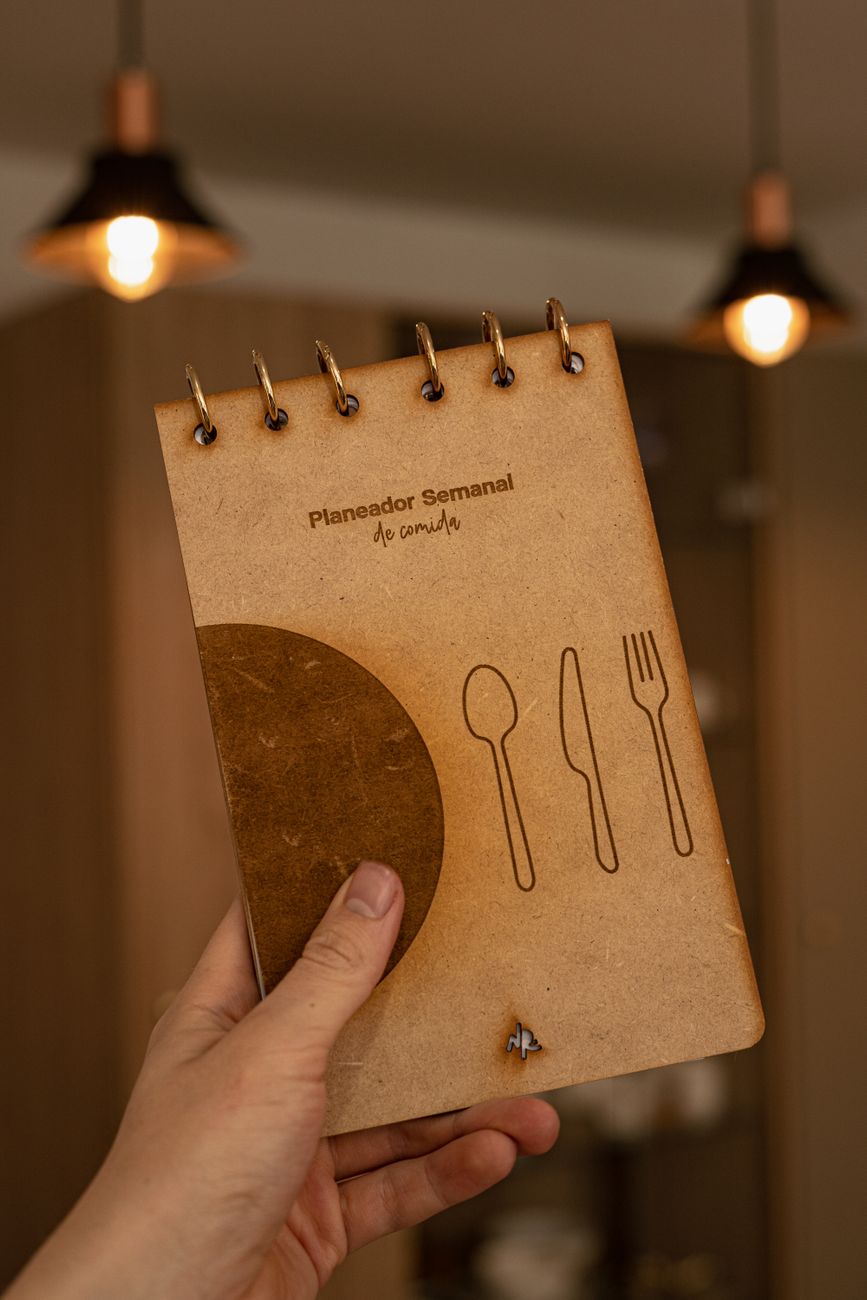
A weekly meal plan should make dinner easier, not turn your kitchen into a second job. The most useful plan is flexible enough to handle a busy evening and simple enough to follow when you are tired.
This guide explains how to make a weekly meal plan around your schedule, use ingredients more than once, and create a shopping list that limits waste and unnecessary spending.
Start With Your Schedule
Look at the week before choosing recipes. Mark the nights when you have time to cook and the nights when you will arrive home late. Put quick meals, leftovers, or prepared ingredients on the busiest days.
Check your calendar for guests, exercise, school activities, or travel. A plan that ignores real commitments will fail even if the recipes are good.
Choose a Small Set of Meals
Select a few meals that use different cooking methods and ingredients. For example, pair a roasted dish with a soup, a simple pasta, a salad with a protein, and a meal that can be assembled without much cooking.
Use familiar recipes on busy nights and save new recipes for a day when you have more time. Keep a short list of meals your household already enjoys so planning does not require starting from zero every week.
Plan Ingredients That Can Be Reused
Choose ingredients that can appear in more than one meal. A roast chicken can become sandwiches or a soup. Cooked vegetables can be added to eggs, rice, or a grain bowl. A large batch of grains can support several lunches.
Do not buy a large package just because it is cheaper unless you already know how you will use it. Unused food is not a bargain.
Write the Shopping List by Section
Group the list into produce, meat or protein, dairy, pantry, frozen items, and household supplies. Check your cupboards and refrigerator before adding anything. This prevents duplicate purchases and makes the store visit faster.
Add quantities when possible. Writing three onions is more useful than writing onions, especially when you are planning several recipes.
Prepare One or Two Ingredients Early
You do not need to cook every meal on one day. Wash vegetables, cook a grain, mix a sauce, or portion snacks when you have time. Store prepared food safely and label containers with the date.
Keep at least one meal that needs very little preparation. Eggs, soup, frozen vegetables, sandwiches, or a simple salad can protect the plan when the day does not go as expected.
Review the Plan at the End of the Week
Notice which meals were easy, which ingredients were wasted, and which recipes your household actually liked. Keep the successful ideas and change one problem at a time. After a few weeks, your planning becomes faster because you have a personal collection of reliable meals.
Final Thoughts
A weekly meal plan works when it follows your real schedule, reuses ingredients, and leaves space for unexpected changes. Start with a few dependable meals, keep the shopping list short, and adjust the system every week instead of trying to make it perfect at the beginning.
