Gamers brag about it, athletes train it, everyone guesses theirs wrong. This test flashes green after a random delay and clocks the milliseconds until your click, over five rounds, with the anti-cheat reset if you jump early.
Updated September 03, 2026, after a fresh review, with updated visuals and links.
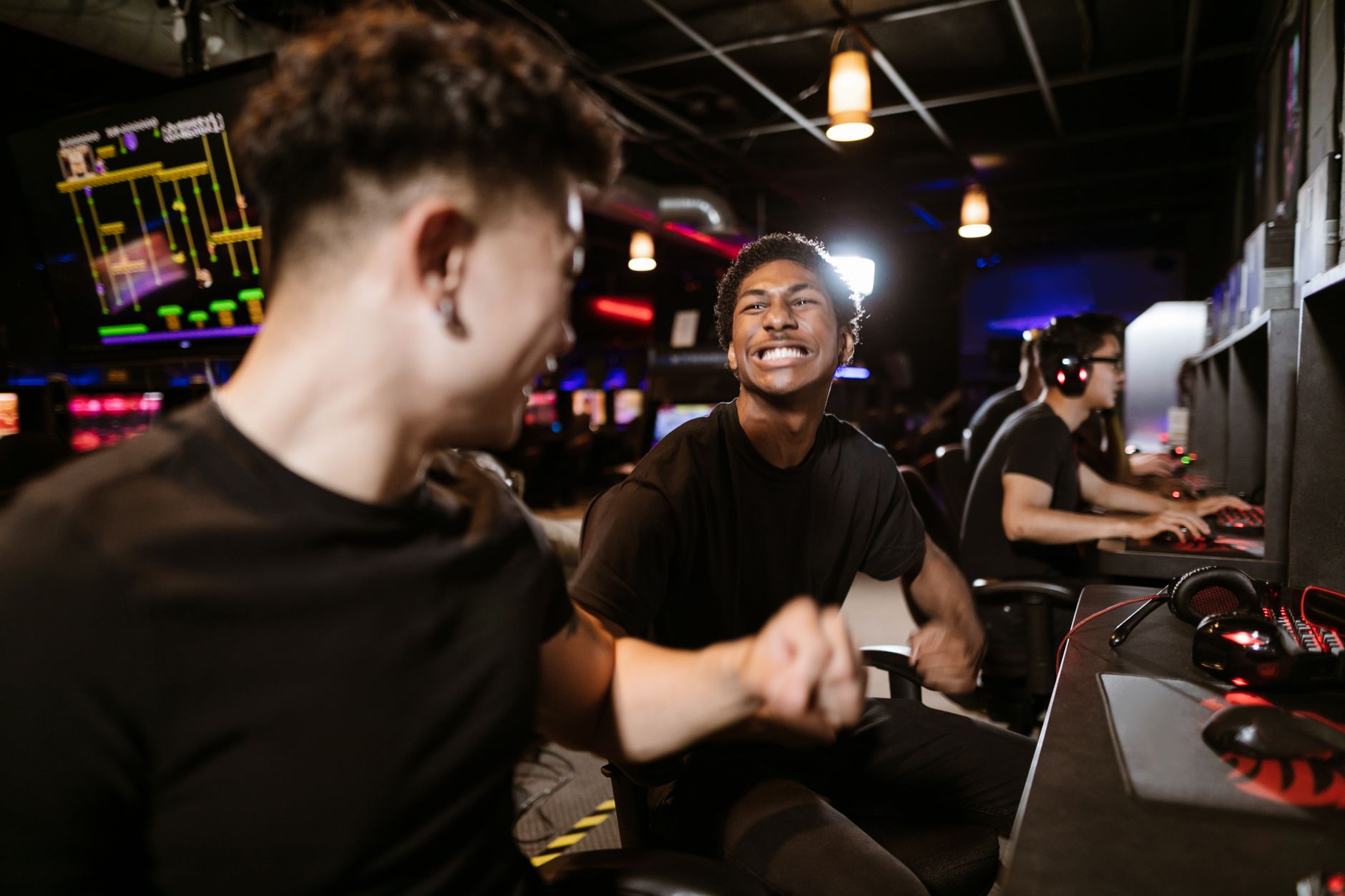
Reading your score
The wait between rounds randomizes between 1.2 and 4 seconds so rhythm cannot substitute for reflex. Each round records your milliseconds; the final card shows average, best, and worst.
Reference bands: under 200 ms is exceptional, 200-250 ms is above average (competitive-gamer zone), 250-300 ms is the normal human band, over 350 ms usually means fatigue, distraction, or a sleepy afternoon.
Consistency (best vs worst spread) often matters more than the average: a 30 ms spread beats an erratic 120 ms one for anything repeated, from esports to driving.
Worth remembering
- Test with your dominant hand on a real mouse; touchpads and phone screens add 30-80 ms of hardware latency.
- Sleep and hydration move the needle more than any 'brain training' app; retest at different hours to find your personal peak window.
Frequently asked
Why is my score slower at night?
Reaction time degrades measurably with fatigue (studies show 17-19 hours awake performs like mild intoxication). Retest after a good night and compare.
Can you train reaction time?
Modestly: sport-specific drills and fast-paced games sharpen anticipation, which surfaces as faster scores here. The floor is genetic, but the ceiling is practice.
