In short: Supermarket packaging is designed to defeat mental math: 450 g for $3.49 against 750 g for $4.79 is not a comparison anyone finishes in the aisle. Unit price settles it instantly, and sometimes the 'family size' is the worse deal.
Updated August 28, 2026, after a fresh review, with updated visuals and links.
Enter price and size for both products; the calculator normalizes both to the same unit (per 100 g, 100 ml, oz, or piece) and names the winner with the exact percentage advantage.
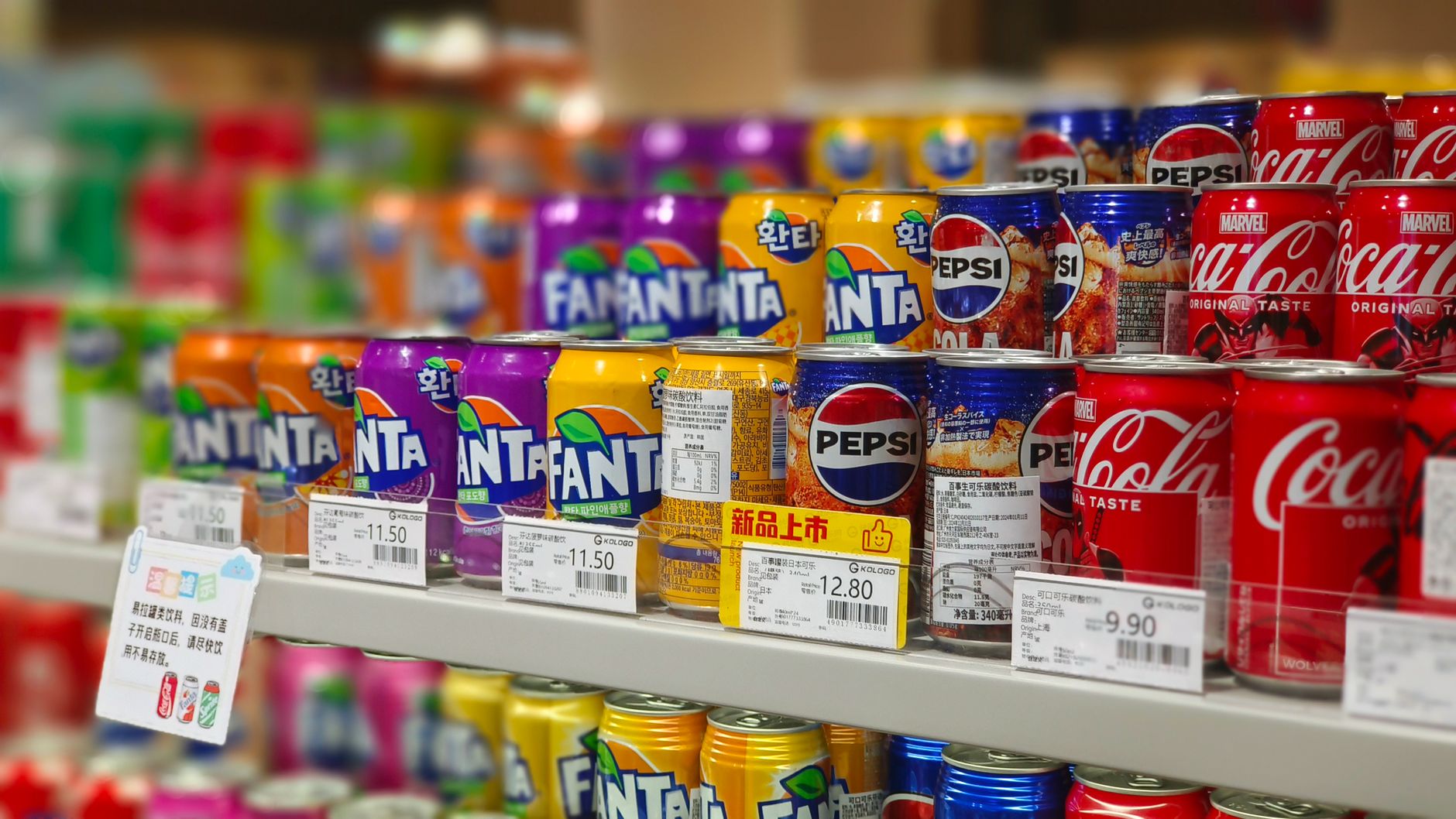
Why unit price beats sticker price
Unit price is cost divided by quantity. $3.49 for 450 g is 77.6 cents per 100 g; $4.79 for 750 g is 63.9 cents. Product B is 18% cheaper per 100 g even though the sticker price is higher.
The tool compares per item too, which is where multi-packs expose themselves: 24 rolls at $18 vs 6 rolls at $4 is 75 vs 66.7 cents per roll, so the small pack wins. Bulk is a default, not a rule.
Watch for shrinkflation, the quiet downsizing from 500 g to 450 g at the same price. Comparing unit prices across your own receipts over a few months reveals it before the news does.
Worth remembering
- Most stores print unit price in small type on the shelf label. Learning to read that line once saves this math forever.
- Perishables change the rule: the cheapest per 100 g is a loss if a third of it spoils. Buy the size you will finish.
Frequently asked
What if the products use different units, like grams vs ounces?
Convert one side first (the unit converter tool on this site does it in seconds), then compare. The calculator needs both sizes in the same unit to be fair.
Does cheaper per unit always win?
Almost never in isolation: brand quality, ingredients, and whether you will actually consume the bigger size all count. Unit price tells you the cost of the choice, not which choice to make.
Find every related tool in our Money Tools: Every Free Calculator index.
