The first hot day arrives, you hit the AC button, and the car exhales room-temperature disappointment. AC failures run from a fifty-cent fix to compressor surgery, and the order you check things decides what you spend.
Updated August 15, 2026, after a fresh review, with updated visuals and links.
Work this ladder top to bottom. Each rung costs more than the last, and a surprising number of summers are saved before rung three.

The fast version
- Check the free settings first. Recirculation on (fresh-air mode fights brutal cabin heat), AC button actually lit, temperature full cold, every zone cold on dual systems. Rear blows cold but front doesn't, or passenger side works while driver side sweats: that points at blend-door motors, common and mid-priced, not at refrigerant.
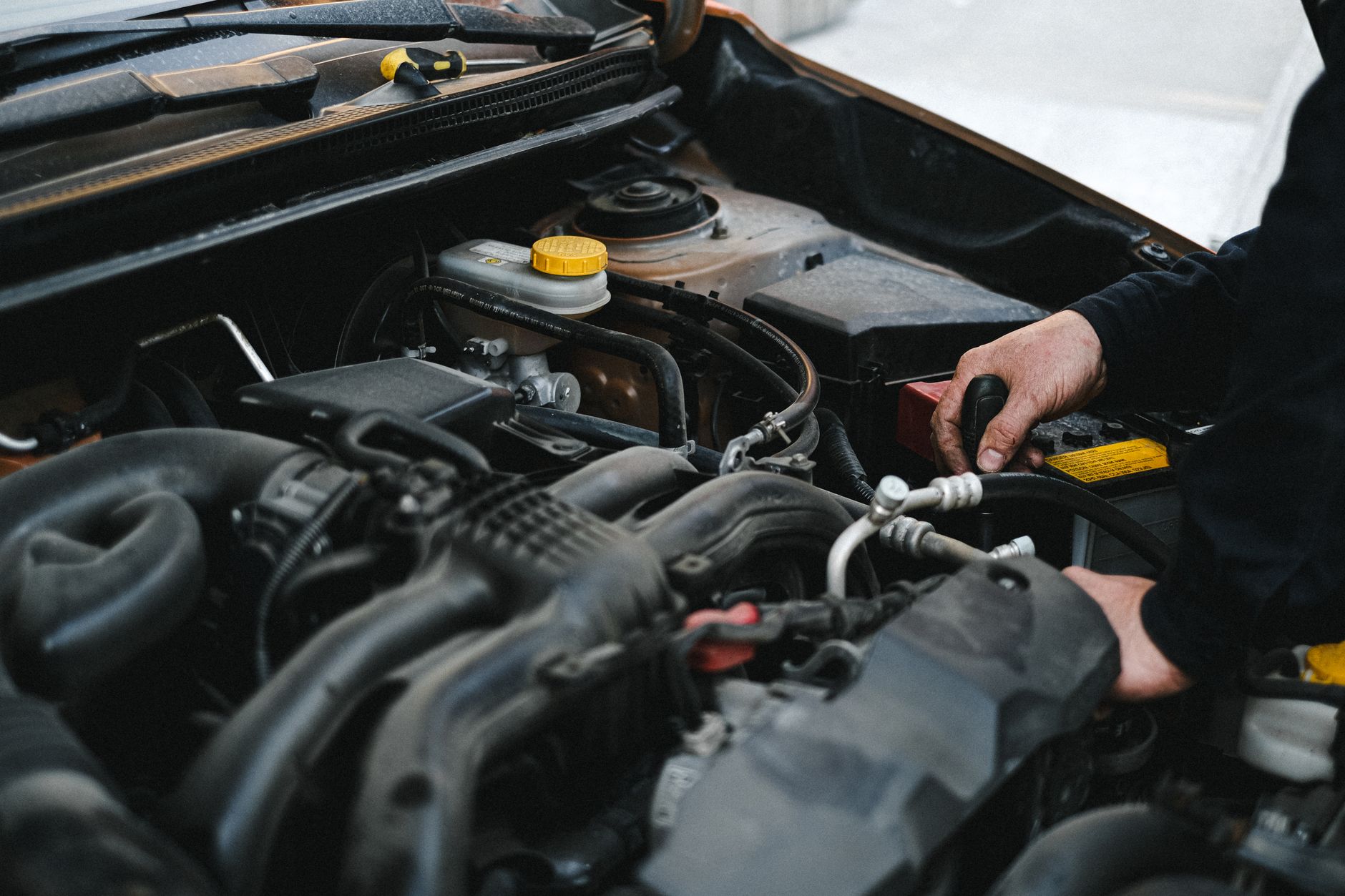
- Pop the hood and watch the compressor. Engine running, AC on max: look at the front of the compressor for the clutch engaging (the center hub spinning and clicking in periodically). Never engages: electrical or refrigerant-level issue up the ladder. Engages constantly yet no cold: deeper system issue down the ladder.
- Test the cabin filter (the secret strangler). A filthy cabin filter strangles airflow so completely the AC feels dead while perfectly healthy: behind the glovebox typically, two clips, five minutes, fifteen dollars. Weak air through the vents with full fan noise says this rung ends your search.
The thorough version
- Gauge the refrigerant carefully. The recharge kit's gauge on the low-pressure port (engine running, AC max) reads the system's story: low readings suggest the classic slow leak that recharges top off, for a season or a month depending on leak size. Know the trade-off: kits with sealant divide mechanic opinion and can complicate future professional repairs.
- Know when the ladder ends. Compressor silent with full refrigerant, visible oily residue on lines and fittings (leaks advertise with greasy dust), or anything involving the words condenser, evaporator or expansion valve: professional territory, where proper leak detection and reclaiming equipment live. Budget honestly: AC surgery runs hundreds, and diesels of doubt here just delay the appointment.
- Prevent the next failure. Run the AC ten minutes monthly even in winter (seals stay lubricated, refrigerant circulates), heed gradual weakening over seasons as a leak's autobiography, and fix the small seep before it becomes the compressor's death rattle.
Pitfalls worth skipping
- Topping refrigerant blindly every season: slow leaks worsen, and modern systems punish overfilling as harshly as underfilling, charge to the gauge, not the vibes.
- Home attempts at major components: refrigerant handling has safety and legal rules, and the tools amortize across shops, not single repairs.
Small tweaks, big difference
- Parked-car cooldown trick: doors and windows open thirty seconds to dump the oven air, then recirculate, cabin reaches cold twice as fast.
- Shade and sunshades aren't folklore: a 20-degree cooler cabin start is free AC for the first ten minutes.
- Heater works but AC doesn't narrows the fault list dramatically: mention exactly that to any shop.
Before you ask
Is a recharge kit a real fix?
For small seeps it buys seasons; for growing leaks it's a recurring subscription to warm air. One refill to confirm a leak exists is a reasonable diagnostic, the third refill is a decision postponed.
Why does the AC smell bad when it starts?
Evaporator mildew: dry the system by running fan-without-AC the last minutes of drives, treat with AC cleaning foam, and replace that cabin filter, the smell rarely survives the pair.
Keep reading
- Trip Fuel Cost Calculator: Gas, Distance and Split (Free Tool)
- Text Reverser: Flip Characters, Words, or Turn Text Upside Down (Free Tool)
- Date Difference Calculator: Days, Weeks and Months Between Dates (Free Tool)
The short version
Settings, clutch, filter, gauge, then the shop if the ladder says so: most summers cool down long before the expensive rungs.
