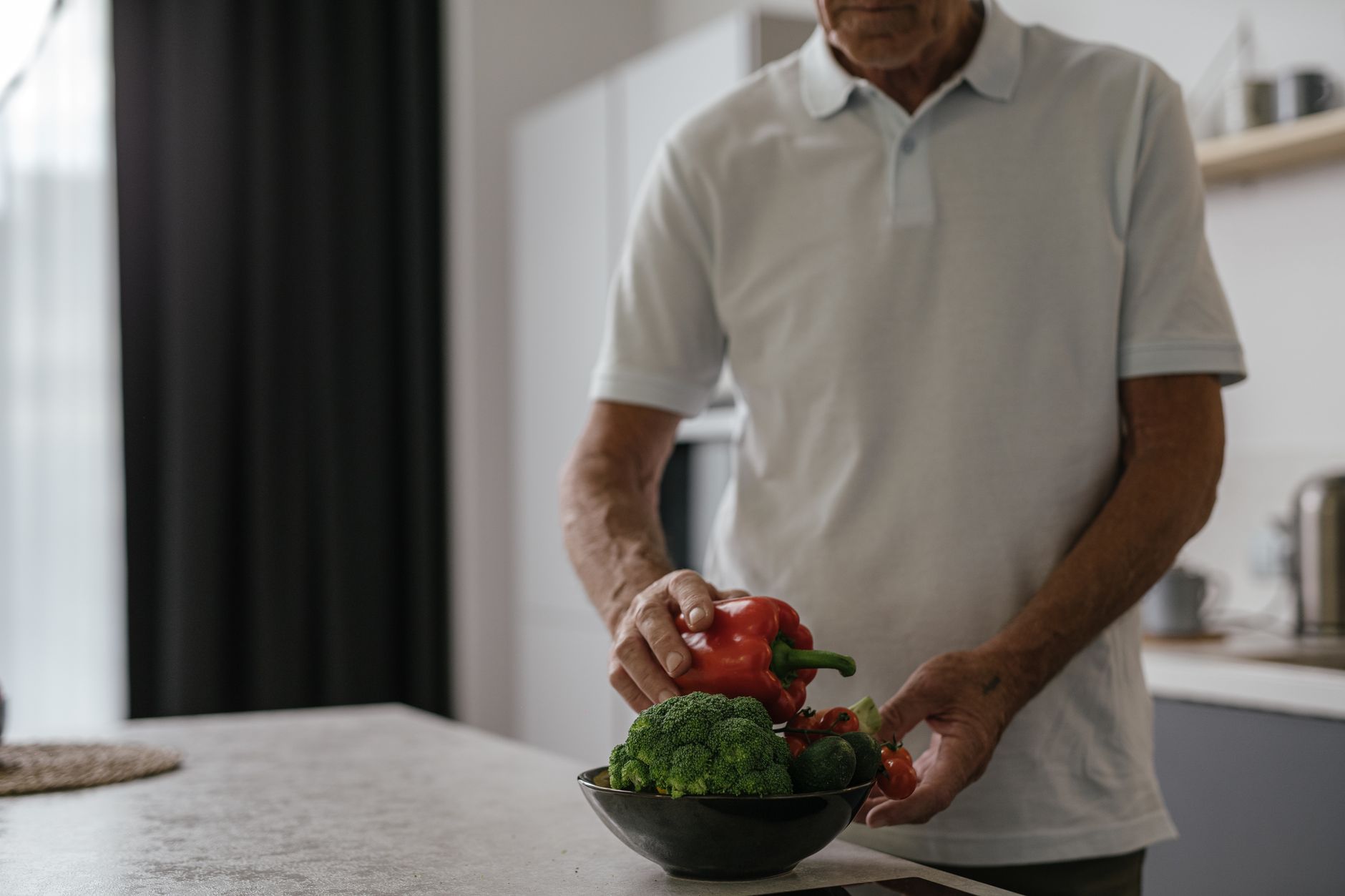
To freeze fresh vegetables successfully, prepare them while they are firm and remove excess moisture before packing.
Updated August 12, 2026, after a fresh review, with updated visuals and links.
Many vegetables keep better after a short blanching step that slows enzymes responsible for color, flavor, and texture changes.
What You Need
- Fresh vegetables
- A pot of boiling water
- A bowl of ice water
- Clean towels
- Freezer bags or containers
Step 1: Wash and Cut
Rinse the vegetables, remove damaged pieces, and cut them into sizes you will actually cook later. Dry the surface as much as possible.
Step 2: Blanch Briefly
Boil the pieces for the time recommended for their type, then move them immediately to ice water. Do not leave them cooking in the hot pot.
Step 3: Dry and Portion
Drain and pat the vegetables dry. Divide them into meal-sized portions so you do not thaw more than you need.
Step 4: Pack and Label
Remove as much air as possible, seal the container, and write the name and date on it. Freeze the bags flat until solid.
What to Avoid
- Skipping cooling: Residual heat can soften the vegetables.
- Packing wet pieces: Ice crystals damage texture.
- Using oversized bags: Air pockets increase freezer burn.
Final Thoughts
Fresh vegetables freeze best when they are clean, briefly blanched, cooled, dry, and packed in useful portions. Label everything so older food gets used first.
