Recruiters now smell chatbot cover letters from across the desk. Used wrong, AI gets your application filtered out. Used right, it writes the boring draft you're too tired to start.
Updated August 09, 2026, after a fresh review, with updated visuals and links.
The trick is treating the chatbot as a first-draft assistant, not a ghostwriter. Here's the workflow that keeps your voice.
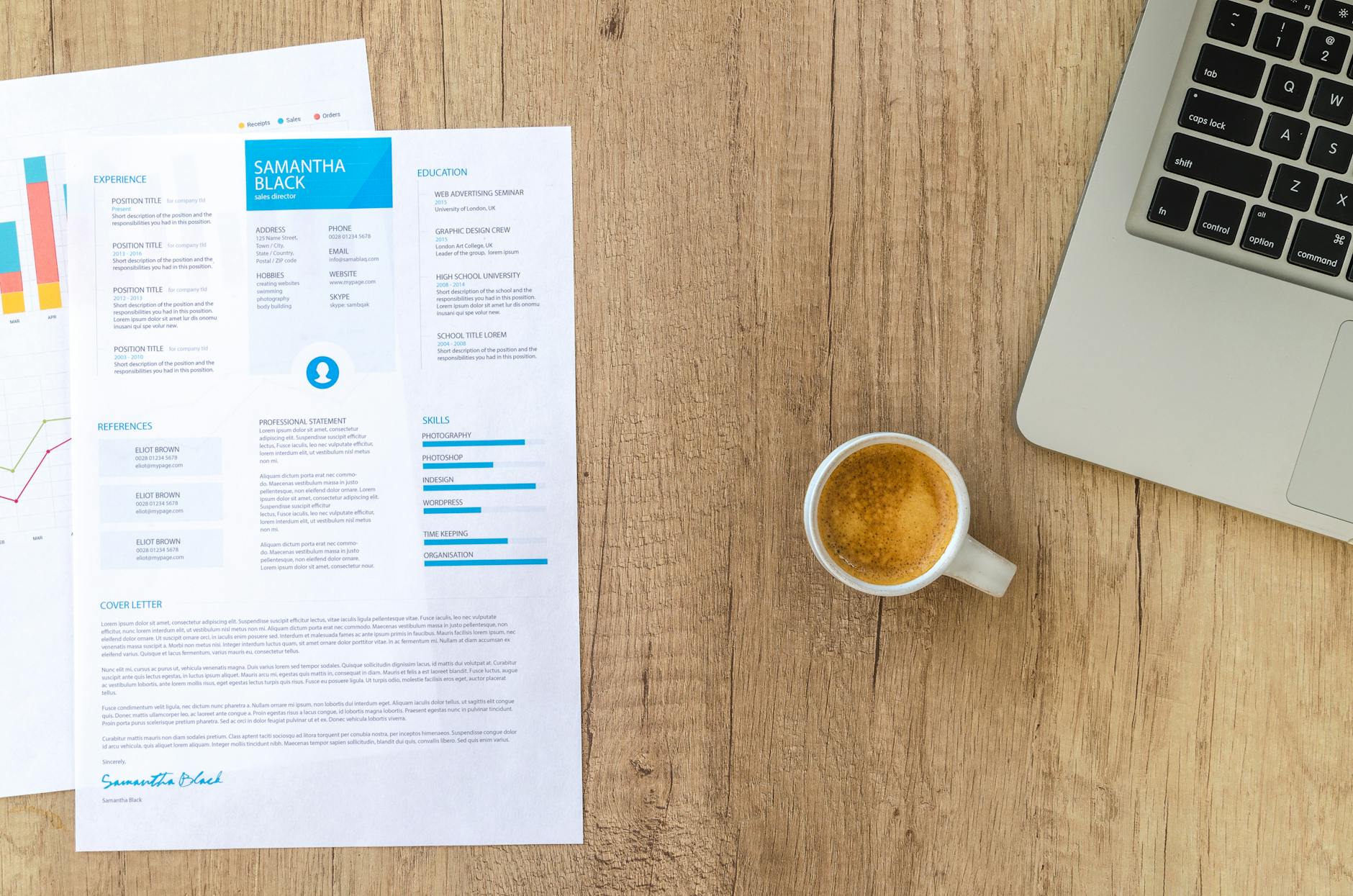
Before you start
- Your resume
- The job posting text
- Any AI chatbot
Step by step
- Feed it real material, not just a request. Paste the job posting and your resume into the chat, then ask for a draft. A letter built from your actual experience beats anything invented from thin air.
- Demand specifics from the posting. Say: 'Reference two specific requirements from the job ad and match them to my experience'. Generic 'I am a hard worker' letters are what everyone sends. Specifics are what get interviews.
- Kill the robot phrases. Tell it: 'No buzzwords, no overly enthusiastic tone, no fancy adjectives'. Or do a manual hunt: 'thrilled', 'passionate about', 'fast paced environment' out they go.
- Short sentences read as human
- One mildly imperfect phrase adds authenticity
- Add one thing AI can't know. A specific reason you want THIS company: their product you used, their move you read about, a value of theirs that matches your story. One concrete sentence is the fingerprint of a human.
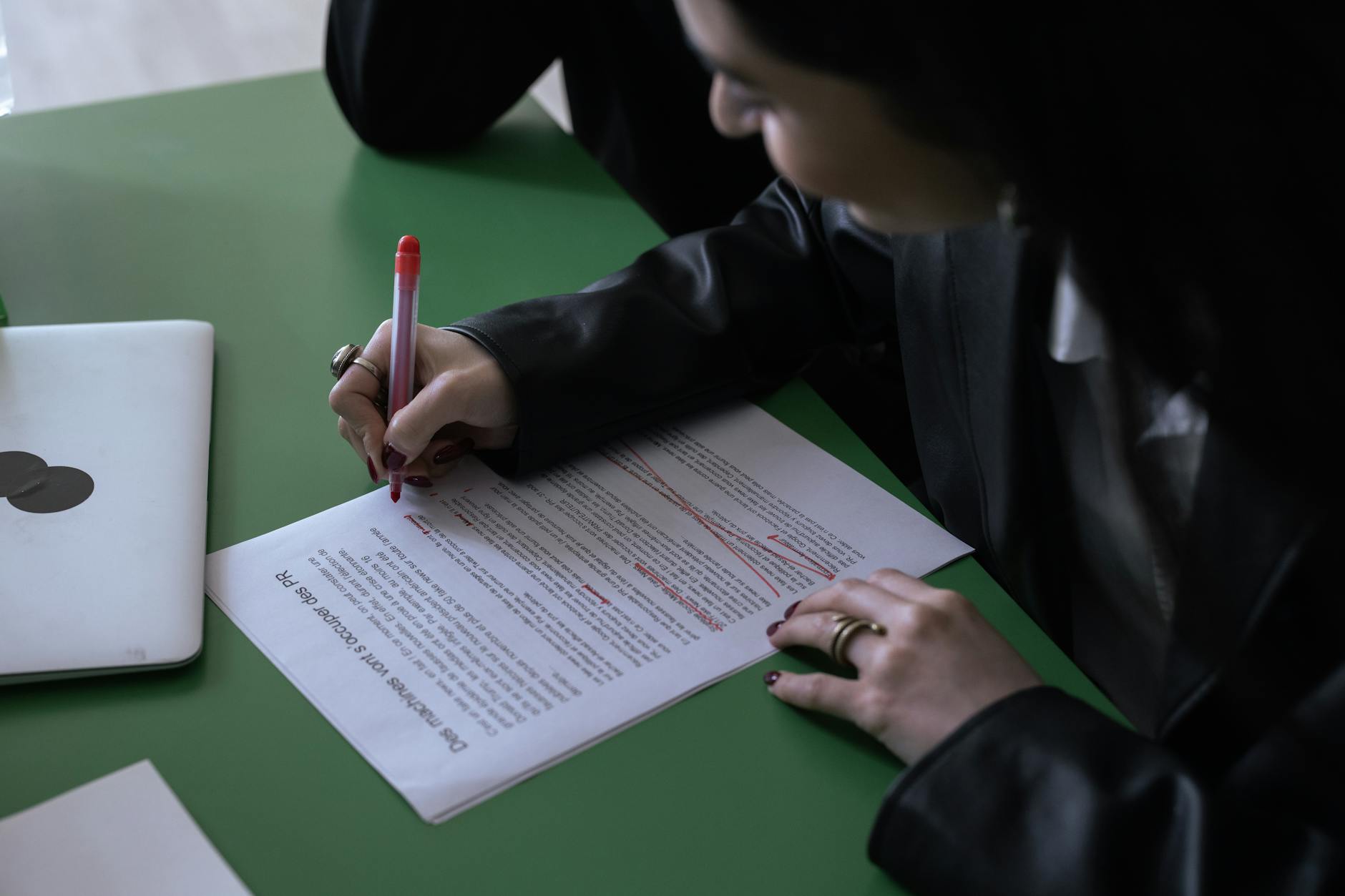
- Read it aloud before sending. If a sentence sounds strange in your mouth, it reads strange. The letter must sound like you on your most professional day, not like a press release.
Pro tips without the attitude
- Ask for two versions: one formal, one warm, then steal the best parts of each.
- Keep the letter short: 200 to 250 words is the recruiter sweet spot.
- Save your edited final as a personal template. Next application is 15 minutes of targeted edits.
Pitfalls worth skipping
- Sending the unedited first draft is how two hundred applicants end up with nearly identical letters. Edit always.
- Don't invent achievements with AI help. Interviewers probe, and a borrowed story collapses in the second question.
Questions people ask
Do recruiters use AI detectors?
Some do, but the real filter is pattern recognition: identical openers and fluff across hundreds of letters. Specific and slightly imperfect beats polished generic.
Same approach for LinkedIn messages?
Identical. Paste the person's role and your goal, draft, then humanize it heavily.
Keep reading
- How to Use Copilot in Windows 11 to Genuinely Save Time
- How to Get the Most Out of Gemini on Your Android Phone
- How to Talk to AI With Your Voice: Hands-Free Mode Setup and Best Uses
The short version
Real material in, robot phrases out, one personal detail in. Your name signs it, so make sure it sounds like you.
