Your first public charging session shouldn't happen at night in the rain with 4% battery. Five minutes of knowledge turns it into a coffee break.
Updated August 09, 2026, after a fresh review, with updated visuals and links.
Apps, plugs, payment, etiquette: the whole ritual explained before you ever park at a stall.
Get this ready first
- An EV
- A charging app or two installed at home first (recommended: PlugShare plus your network's app)
The how to part
1. Know your car's plug types
Modern EVs in North America use NACS (Tesla's connector, adopted everywhere new), most pre-2025 non Teslas use CCS with a J1772 top for slow charging, and CHAdeMO exists on some older models. Your manual or charge port door labels it: this determines which stations can serve you at all.
- Adapters bridge many combinations and are increasingly included or cheap
- Level 2 AC chargers: almost every EV plugs straight in
2. Find stations BEFORE you need them
PlugShare maps every network with user reviews and check ins: broken stations get flagged by the crowd hours before the networks admit it. Route planners inside your car or ABRP (A Better Route Planner) place charging stops automatically.
3. The session ritual, step by step
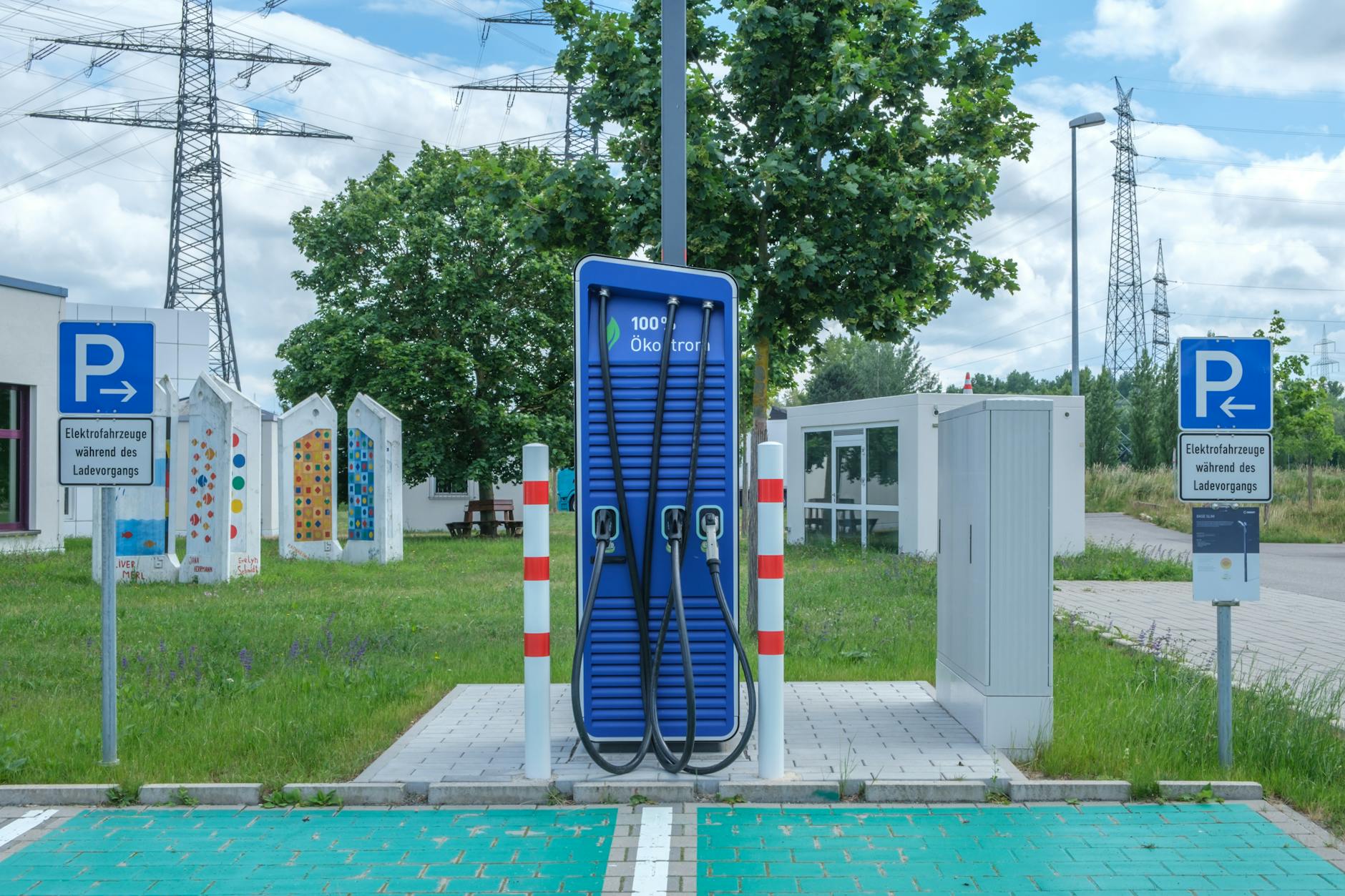
Park close (cables are short), open the app or tap the card/phone on the reader, plug in, confirm charging started before walking away. Many stations now accept plain contactless credit cards, no app at all.
4. Read the speed, expect the curve
Fast chargers (DC) deliver their headline kilowatts mostly between 10% and 60% battery, then slow dramatically to protect the cells. Charging from 10 to 80 takes 20 to 40 minutes on a good stall; the last 20% can take as long again, road trippers skip it deliberately.
5. Payment reality
Per kWh or per minute pricing, plus idle fees for staying plugged in after finishing. Registering in a network's app usually discounts the rate: two accounts cover most highways.
6. Etiquette, the unwritten rules
Don't leave the car parked after charging finishes (idle fees exist because people do), never unplug someone else's car, and leave DC fast chargers for those who actually need the speed when a Level 2 option sits right there.

Tips that actually help
- Photograph the station code or location number before troubleshooting: support asks for exactly that.
- Cold weather charging slows notably: preconditioning the battery (via the car's nav to the charger) restores full speed.
- Have a plan B station 10 miles away in your pocket on road trips: hardware fails, queues form, confident EV drivers carry redundancy.
Keep reading
- How to Make Your EV Battery Last Longer (Habits That Actually Slow Degradation)
- How to Fix Blue Screen Errors in Windows 11 (Without Just Reinstalling Everything)
- How to Prepare Your iPhone for Trade-In or Sale (The Safe 8-Step Checklist)
Plug type learned, apps installed, buffer planned, coffee during 20 minutes. Public charging stops being a mystery after exactly one session.
