EV batteries don't die, they fade: a few percent in the first year, then slowing gracefully. Your habits decide whether it fades gently or prematurely.
Updated August 09, 2026, after a fresh review, with updated visuals and links.
The rules are simple, mostly free, and several of them feel counterintuitive. Here's how real owners keep 90%+ health for a decade.
Get this ready first
- An EV and curiosity about its second decade
The steps, start to finish
- Daily charge target: 80 percent. Lithium batteries age fastest near full: for daily driving, charge to 80% (many cars default there or let you set the limit). Charge 100% when a trip needs it, and drive soon after filling rather than letting it sit full for days.
- Avoid living at the bottom too. Regularly running to 0 to 5% stresses cells like parking at 100% does. The battery's comfort zone for storage and daily life sits around 20 to 80 percent, treat extremes as tools, not habits.
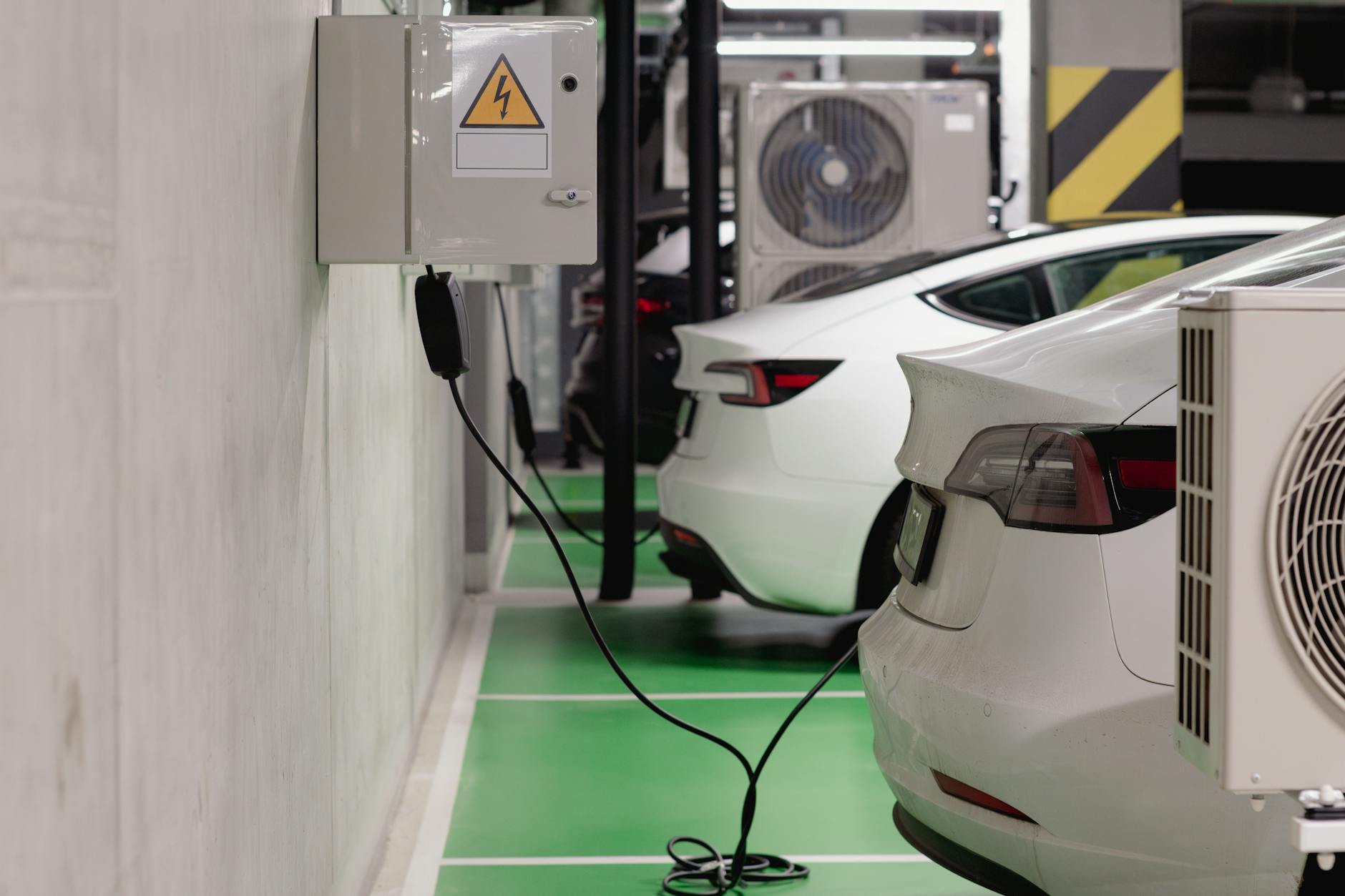
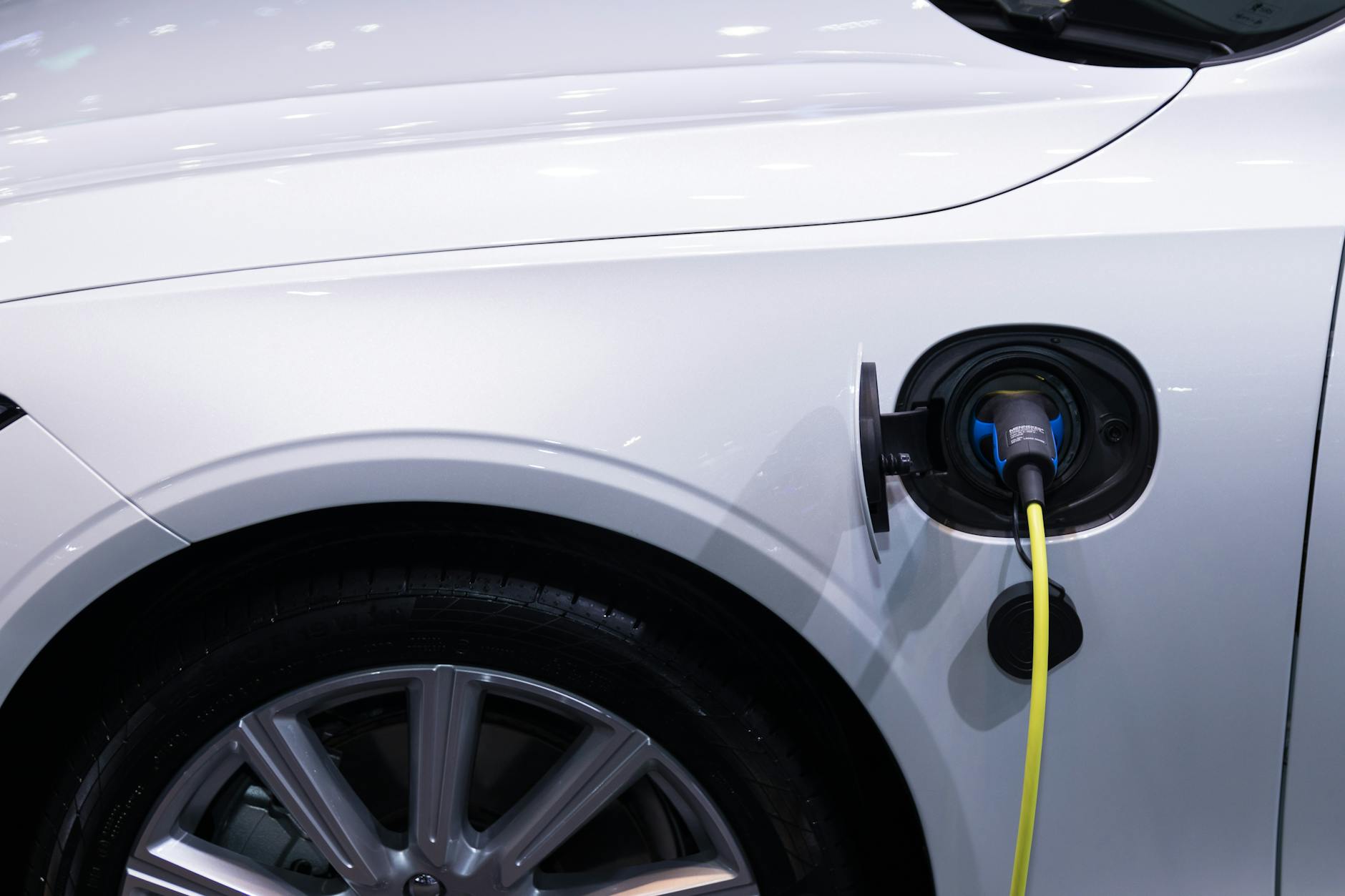
- Fast charge when it serves you, not by default. DC fast charging generates heat and stress AC charging doesn't. It's totally fine for trips and needs, but daily reliance on DC fast charging accelerates fade: home AC charging is the battery's favorite meal.
- Mind the temperature. Heat is the silent killer (parked full in Arizona sun), deep cold hurts short term range more than longevity. Garage parking, shade, and using the car's thermal scheduling help. Preconditioning while plugged in sips grid power to fix battery temperature instead of battery energy.
- Let the car update and manage itself. Software updates bring battery management improvements constantly: install them. The car already babysits cell balancing and temperature; your job is the habits above, its job is the chemistry.
- Measure, don't obsess. Check estimated range at 100% once every few months or use an OBD app like your community's favorite for a health readout. A gradual gentle line is normal; sudden drops deserve a service visit while the battery warranty (usually 8 years / 100k miles) has your back.
Small tweaks, big difference
- Storing the car for a month? Park at 50-60%, plugged or unplugged per manufacturer guidance, and let it snooze.
- The one pedal lifestyle (regenerative braking) doesn't significantly affect longevity, drive whichever way sparks joy.
- Battery warranties typically promise 70% capacity through their term, know your coverage dates and get tested before they lapse if readings worry you.
Where people go wrong
- Obsessive anxiety hurts enjoyment more than chemistry: these cars tolerate normal life extremely well, rules exist to refine habits not to imprison them.
- Don't leave the car at 100% in hot parking lots for days: that specific combination is the real fade accelerator.
FAQ
How much range do EVs lose per year really?
Fleet data commonly shows around 1.5 to 2% per year on average, tapered over time: a 200 mile car at year ten typically still handles daily life comfortably.
Does frequent fast charging void warranties?
No, it's normal use, and modern thermal systems handle it well. The guidance is about slowing natural fade over years, not warranty traps.
Keep reading
- How to Use a Public EV Charger: A First Timer's Complete Walkthrough
- How to Switch From iPhone to Android (Without Losing a Single Thing)
- How to Pick a Color Palette That Doesn't Look Amateur (Free Tools + One Rule)
That covers it
Eighty for the daily, hundred for the road, AC at home, shade in summer, updates installed. Chemistry rewards those small kindnesses for a decade.
