The first public charging session intimidates everyone: unfamiliar plug shapes, apps that want accounts, and a screen asking questions in the rain. The good news is that the whole process boils down to three things: knowing your connector, starting the session the way that network wants, and following the unwritten etiquette that keeps drivers friendly.
Updated August 28, 2026, after a fresh review, with updated visuals and links.
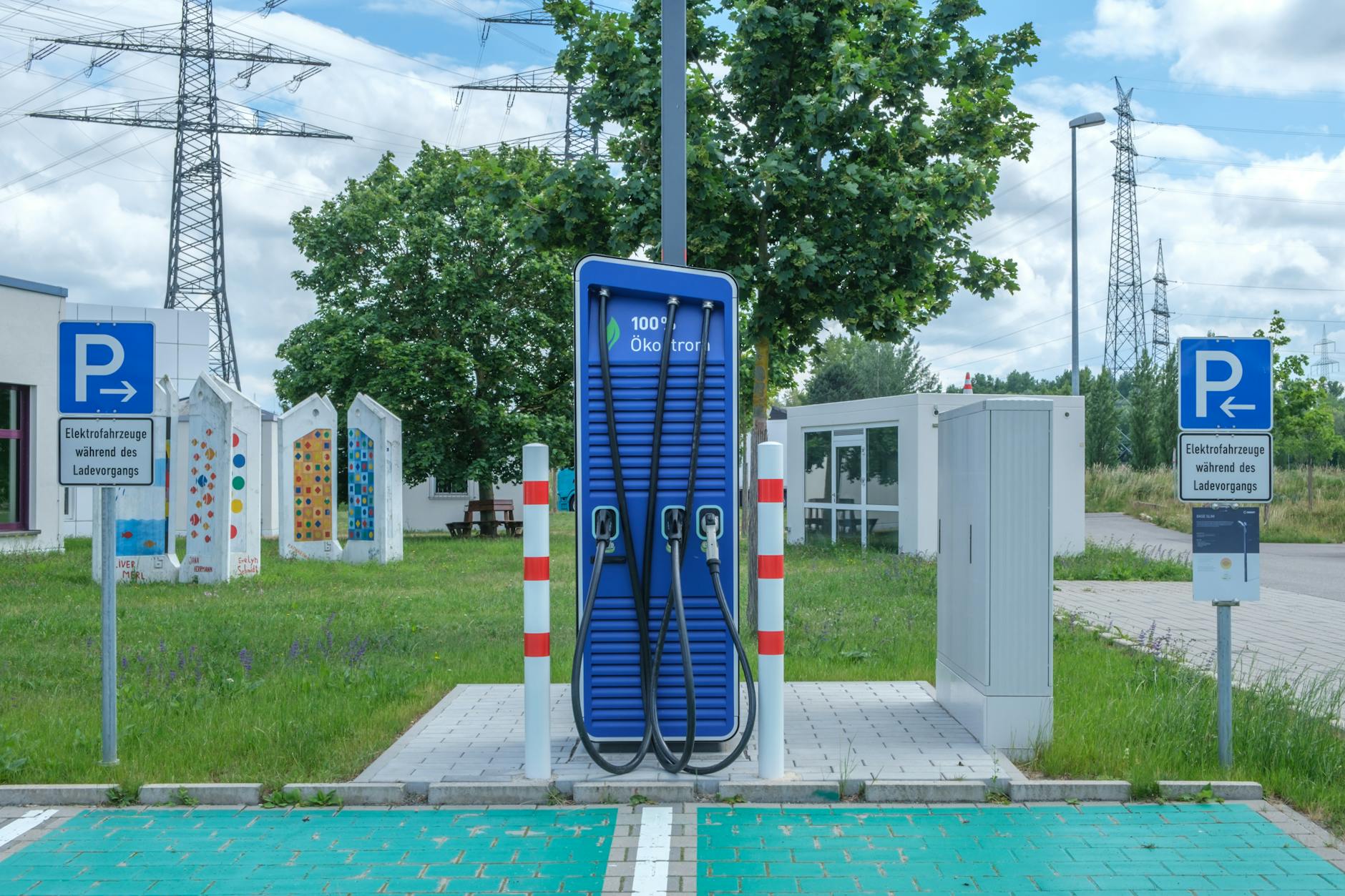
The three charger types you will meet
| Type | Speed | Typical place |
|---|---|---|
| Level 1 (wall outlet) | Slowest, a few km of range per hour | Emergency top-ups, long parking stays |
| Level 2 | Roughly 30-60 km of range per hour | Supermarkets, hotels, public garages |
| DC fast | 10-80% in about 20-45 minutes | Highway corridors, road trips |
Connectors depend on your car and region: CCS is the common standard in North America and Europe, NACS (Tesla's plug) is spreading quickly as networks open up, J1772 covers most Level 2 posts, and CHAdeMO survives mainly on older models. Your car's manual and inlet shape settle the question in ten seconds; adapters exist for the most common crossovers these days.
Your first session, step by step
- Find a charger with PlugShare, your car's built-in navigation, or the network's own app. Filter by your connector and by "available now", not just by distance.
- Set up payment before you arrive. Most networks want their app with a card on file; many newer stations also accept tap-to-pay directly on the unit. Downloading the app over home Wi-Fi beats doing it on a shaky signal in a parking lot.
- Park close and check the cable reach before opening the charge port.
- Plug in first, then start the session from the app, the RFID card, or the station screen, following the order the label shows. Some cars with plug-and-charge start automatically.
- Watch the first two minutes. Confirm the session actually started and the kW number climbs; false starts are the most common failure and catching them early saves an hour.
- Stop at about 80% on fast chargers unless you truly need the rest: charging slows dramatically past that point to protect the battery, and your time is worth more than the final percent.
Cost: what you will actually pay
Networks bill per kWh, per minute, per session, or a mix, and prices vary widely even in the same city. As a rough guide, DC fast charging typically costs noticeably more than home electricity, while slower Level 2 posts at shops or hotels are sometimes free as a customer perk. The station's app always shows the rate before you start, which is the honest moment to compare.
Etiquette: the rules nobody prints
- Move the car when the session ends. Many networks add per-minute idle fees precisely for this.
- Do not unplug another car unless the station or the owner clearly invites it.
- DC fast spots are for cars that can actually fast-charge; taking one with a tiny battery for hours is how enemies are made.
- Broken or blocked station? Report it in the app so the next driver finds out before arriving.
Frequently asked questions
Can any electric car use any public charger?
Any car can use any charger whose connector fits it, and adapters cover most modern mismatches. What changes is speed: a car that accepts 50 kW will never drink faster from a 350 kW unit.
Why does charging slow down after 80 percent?
The car reduces power to protect the battery as it fills, similar to pouring carefully near the top of a glass. On road trips, two short 10-70% stops beat one long 10-100% stop almost every time.
What if the charger is broken or a gas car is parked there?
Report it in the network's app (most have a one-tap report button) and fall back to the nearest alternative. Apps like PlugShare show recent check-ins, which is the best indicator that a station actually works today.
After two or three sessions, public charging turns into what it should be: a snack, a stretch, and enough range to forget about the cable until the next trip.
