Tabletop night without dice is solved: this roller throws anything from d4 caltrops to d100 percentiles, up to ten dice at once, with the sum computed for you.
Updated August 28, 2026, after a fresh review, with updated visuals and links.
And when the argument is simpler, the coin flip is one button. Both sides are exactly 50/50.
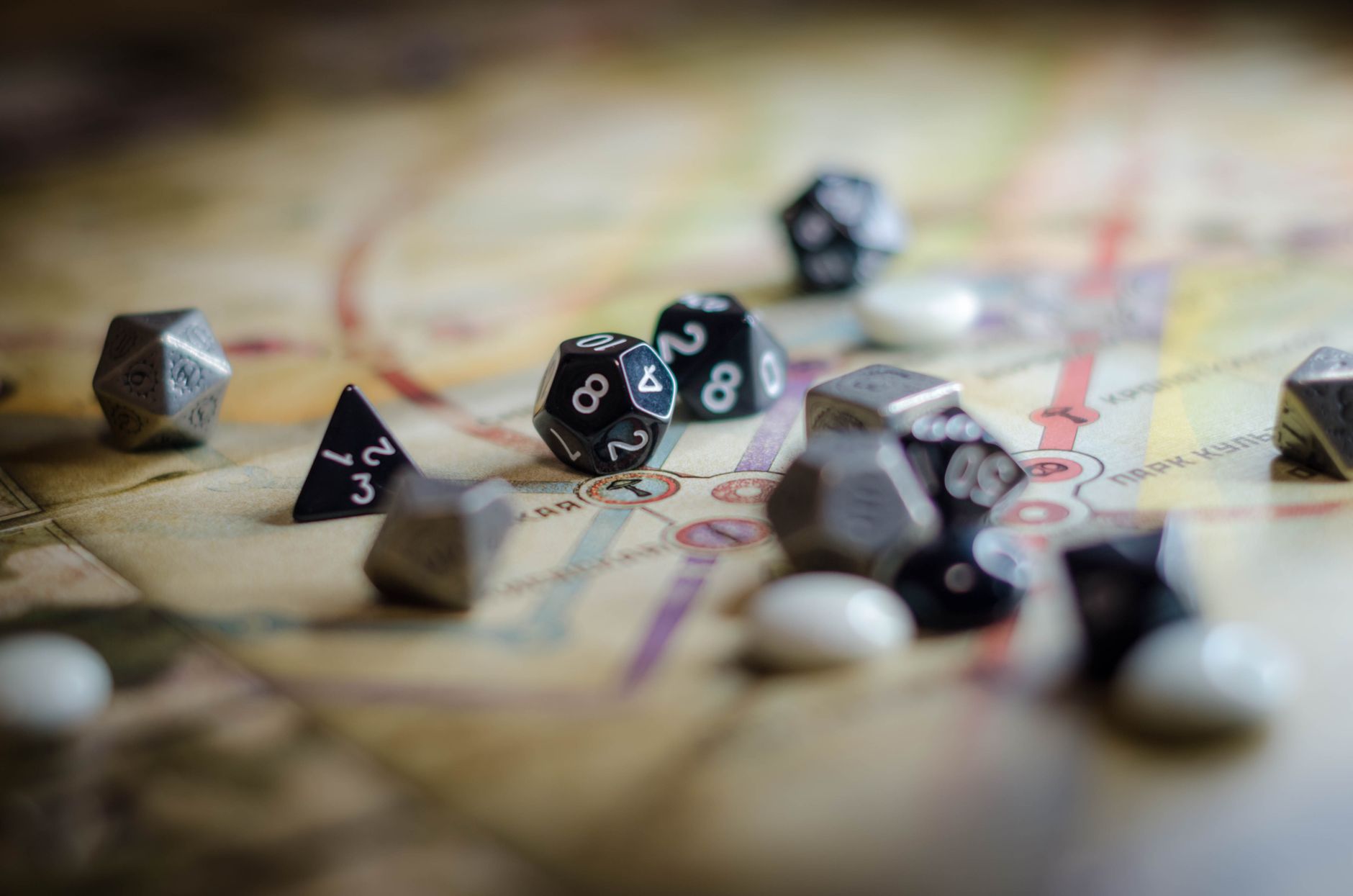
True randomness, digitally
Each die is an independent uniform roll: every face is equally likely, exactly like a well-made physical die, minus the cocked-on-the-carpet disputes.
The sum math goes fast for game theory: 2d6 peaks at 7 (six ways to roll it) while 2d10 centers rounder near 11, which is why systems choose dice pools to tune drama.
Percentile pairs: select d100, or roll two d10 where one is tens (a 70 plus a 4 reads 74) for games that demand the classic style.
Worth remembering
- D&D cheat sheet: advantage means roll twice, keep higher; disadvantage, keep lower. Two rolls here cover it.
- Coin flips for tournament seeding: record flips in chat so both parties share trust in the result.
Frequently asked
Is a digital die as random as a real one?
For games: yes, honestly more so, since physical dice carry manufacturing bias while software draws uniformly from the full range.
What is a d100 used for?
Percentile systems like Call of Cthulhu, where skills are rated out of 100 and rolling under your rating means success.
