Sixteen kids, one soccer ball, and accusations of unfair teams older than sport itself. Paste the roster, pick the team count, get shuffled lineups instantly.
Updated August 28, 2026, after a fresh review, with updated visuals and links.
Teams balance by alternating assignment after a full shuffle, so nobody lands stacked squads by accident.
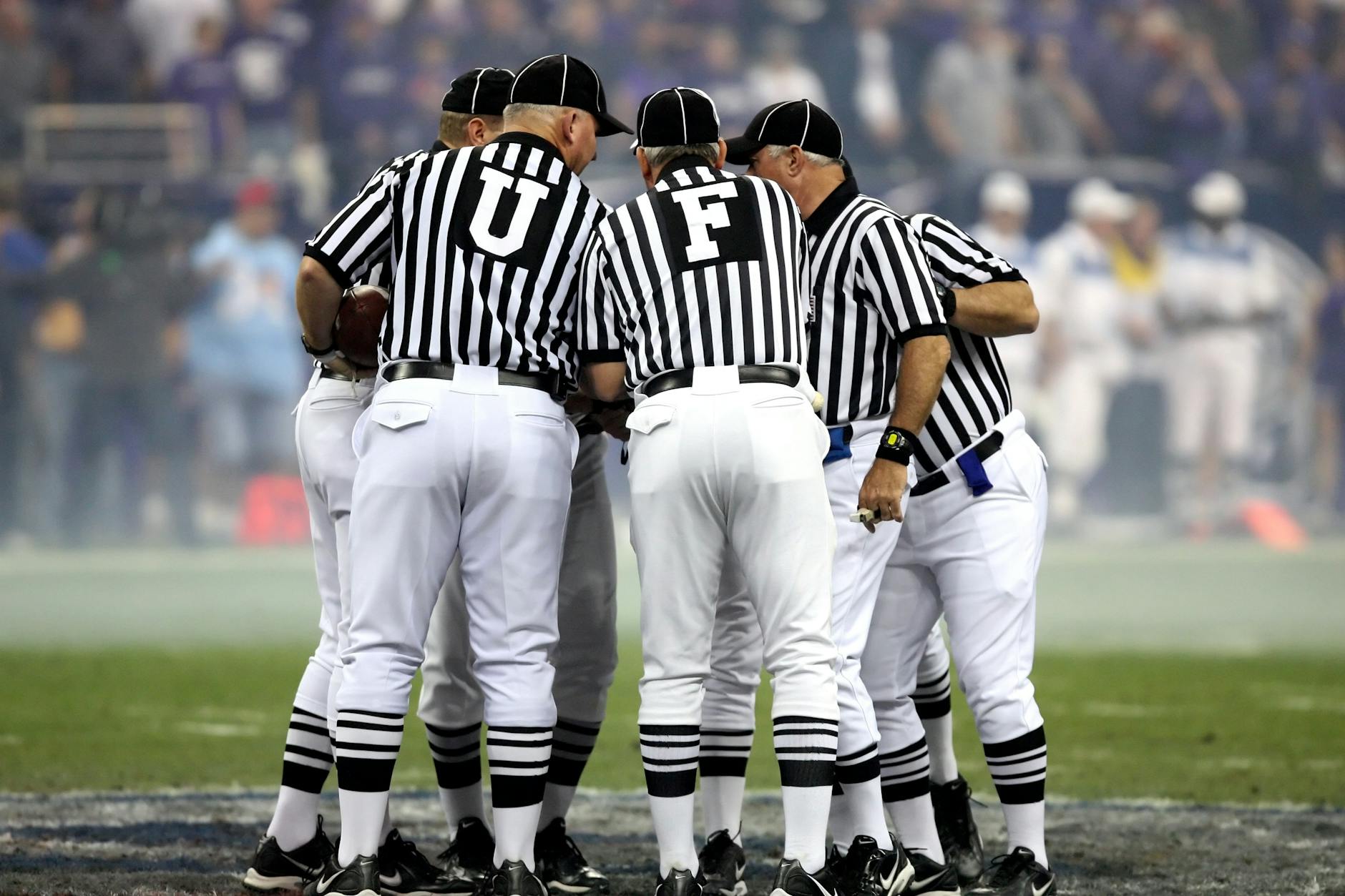
Fair splits without politics
The Fisher-Yates shuffle underneath is the provably fair card-shuffling algorithm: every possible lineup is equally likely, no patterns, no favorites.
Snake-style assignment (name 1 to team 1, name 2 to team 2...) after shuffling guarantees the most balanced possible sizes: with 9 people and 2 teams, you get 5 and 4, never 7 and 2.
Re-shuffle freely when one team looks stronger: the tool makes no claims about skill, only about impartial randomness.
Worth remembering
- Classroom use: project the screen while shuffling publicly, transparency ends the 'the teacher rigged it' genre entirely.
- Draft captains first, shuffle everyone else: competitive groups often prefer keeping two leaders separate before the rest randomize.
Frequently asked
Can I make teams of a fixed size instead of a fixed count?
Enter count of teams equal to people divided by desired size (16 people in groups of 4 means 4 teams): the alternating assignment handles the balancing.
Is the shuffle fair for money events?
The algorithm is mathematically uniform; for formal tournaments, shuffle live on a shared screen so all parties witness the draw.
