Sine for wave physics, cosine for shadows, tangent for roof pitches and ramps: trigonometry sneaks into construction, navigation, game development and every branch of engineering.
Updated August 28, 2026, after a fresh review, with updated visuals and links.
Enter an angle in degrees or radians and get all six functions at once; flip downward and feed a ratio to recover the angle.
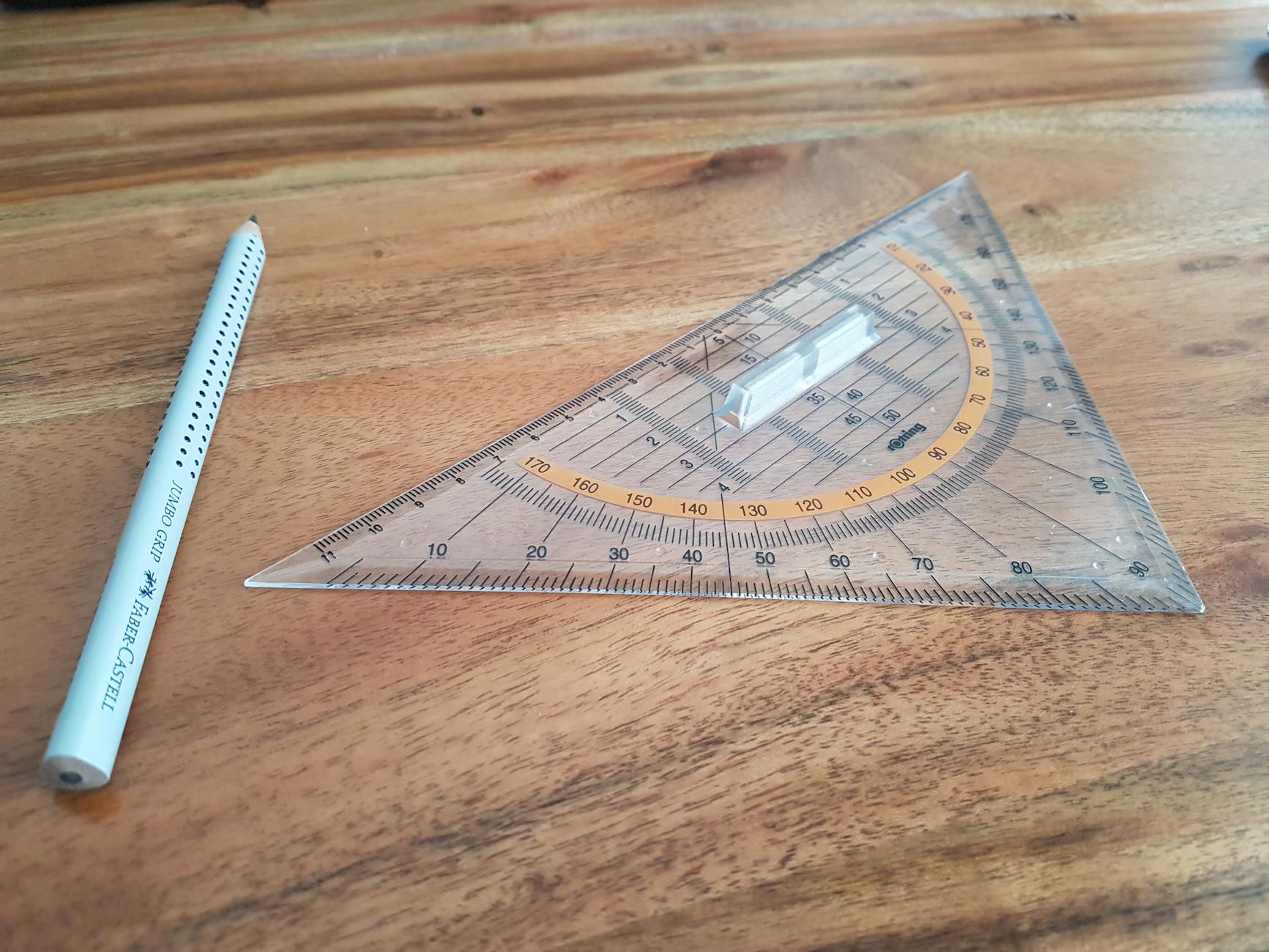
The unit circle in thirty seconds
On a right triangle, sin is opposite over hypotenuse, cos adjacent over hypotenuse, tan opposite over adjacent: SOH-CAH-TOA still rules.
Anchor values worth memorizing: sin 30 equals 0.5, sin 45 equals sqrt(2)/2 (about 0.707), sin 90 equals 1; cosine runs the same values in reverse.
Angles in radians count in pi units: 180 degrees is pi radians, 90 is pi/2; the dropdown switches regimes and most programming languages speak radians natively, which is where most bugs in this family are born.
Worth remembering
- Ramp math: wheelchair ramps target slopes of 1:12 rise-to-run, an angle near 4.8 degrees; measure with tan = rise/run.
- tan 90 degrees is undefined: the calculator says so rather than producing a silly number, because cosine sits at zero in the denominator.
Frequently asked
Degrees or radians: when does it matter?
Answers differ wildly between the two; schools teach degrees first, physics and code assume radians. Always confirm which regime your formula expects.
What does arcsin do?
It reverses sine: feed a ratio (always between -1 and 1) and receive the angle with that sine, 0.5 in produces 30 degrees out.
